A weekly Macro, Cross Asset review of prices trading at extremes which may generate future investment ideas and opportunities
The following assets (on a weekly timeframe) registered an Overbought or Oversold reading and/or have traded more than 2.5 standard deviations above or below its rolling mean.
Extremes “above” the Mean (at least 2.5 standard deviations)
Chinese 10 year government bond yields
Silver
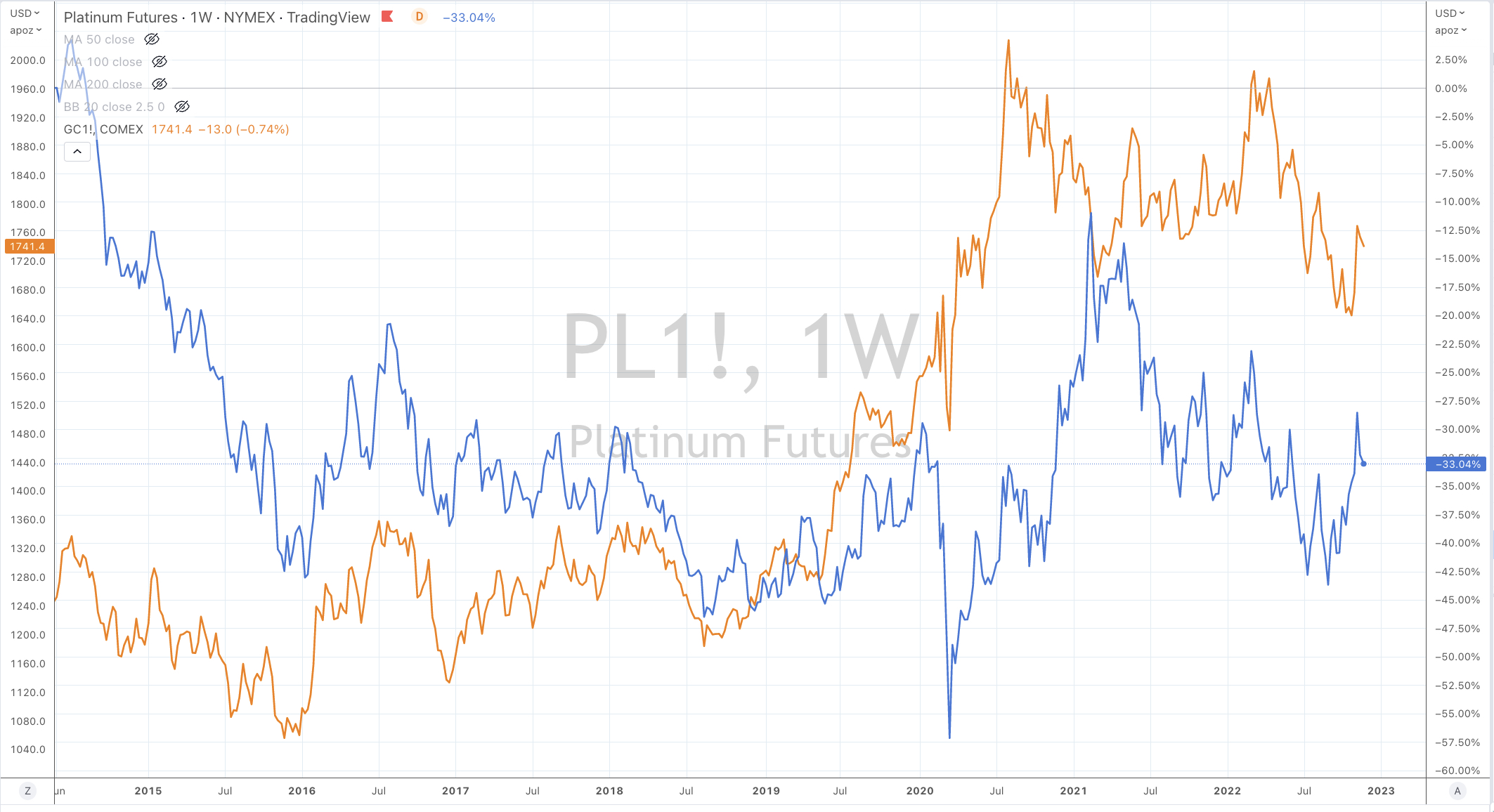
Platinum
Gold (in CAD)
NZD/AUD
Overbought (RSI > 70)
German 2 year government bond yields
Cattle
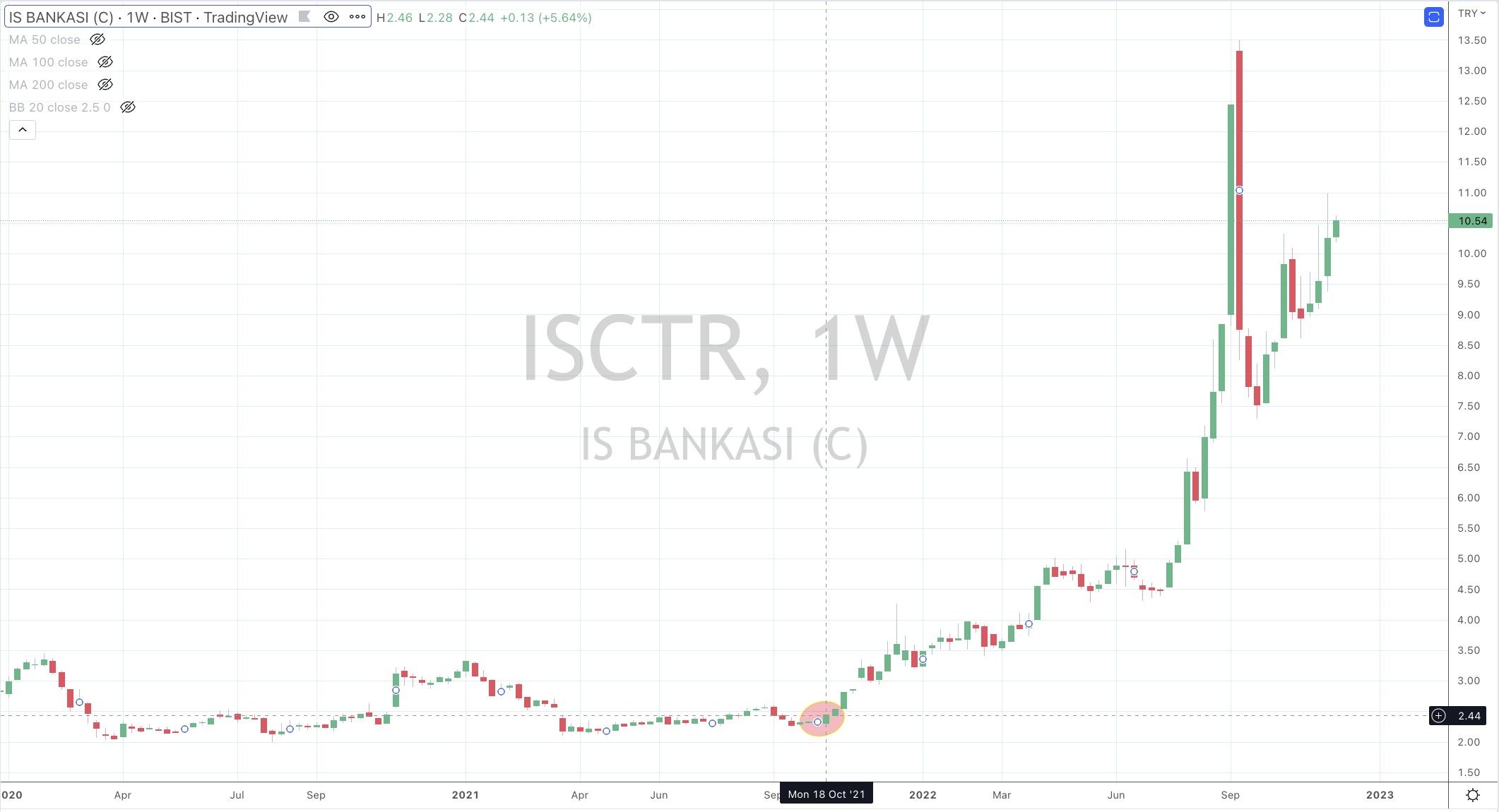
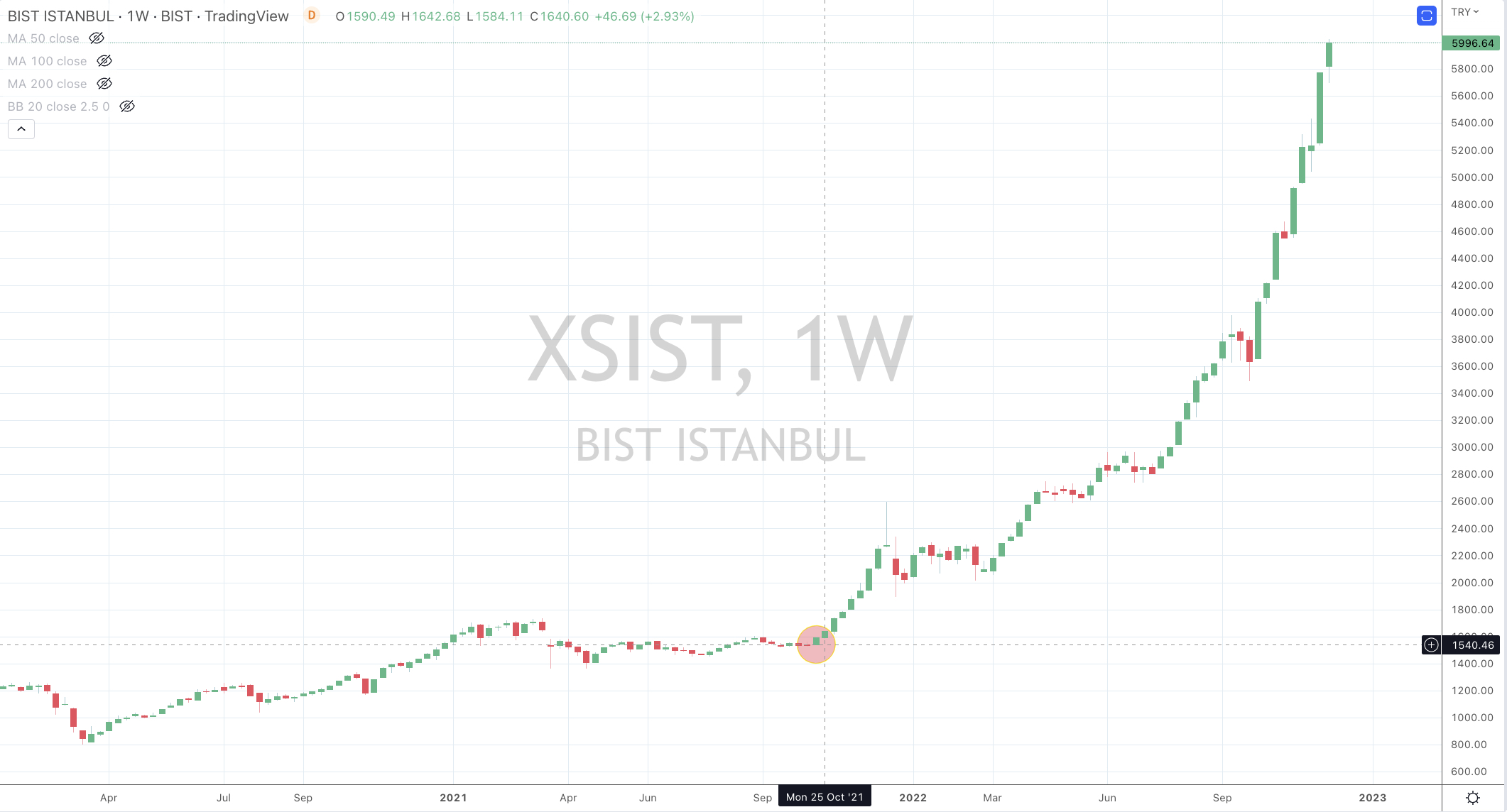
Istanbul BIST Index
The Overbought Quinella – Both Overbought and Traded at > 2.5 standard deviations above the weekly mean)
HKD/USD
Extremes “below” the Mean (at least 2.5 standard deviations)
None
Oversold (RSI < 30)
Hot Rolled Coil Steel (HRC)
Chilean 10 year government bond yield
The Oversold Quinella – Both Overbought and Traded at > 2.5 standard deviations above the weekly mean)
U.S. 5 year yield minus U.S. 3 month bill yield spread
Notes & Ideas:
This past week we had reasonably good intra-week swings however on a weekly closing basis, if you closed your eyes, ’twas another benign week.
This is expressed with the 4th consecutive week of the low amount of entrants in the “Macro Extremes” list.
In saying benign, the S&P 500 rose 1.1% and the ASX 200 improved 0.6%.
The big news was that bond yields (as predicted in my various posts) continued to decline. One could call it a trend?
One example in rising bond prices can be seen in the IEF ETF which has rallied in price from $92.70 to $98.70 in 5 weeks.
Keep in mind that my calls for lower interest rates is in the context of moderation (along with inflation) and not a collapse let alone expecting a re-visit those historically abnormal lows.
On the topic of bonds, cryptically the rally in the S&P 500 coincided with my posts about a weekly oversold US5Y minus US3M spread.
Another study which I’ll write about is to highlight the ‘traditional’ yield curve (US10Y-US2Y) is nearing a quinella of being Oversold and what that means.
Oil had a bullish outside reversal week as did the Bloomberg Commodity Index, Aluminium, Hot Rolled Coil Steel, Cotton, EUR/AUD and the Brazilian Real vs USD.
The USD versus South African Rand (ZAR) also pulled off an outside bullish reversal for the week and so I’ll look how a weaker ZAR relates to the prospects for precious metals.
80% of the world’s platinum comes from South Africa.
Urea, Gasoil (diesel) and Gasoline made lower lows.
The Danish Krone (DKK) continued to strengthen against the USD.
The strength in the Aussie Dollar is firming agains the Canadian Loonie.
I’m pondering if there is exhaustion in the S&P 500 as it touched 4,100 points on Thursday December 1st, 2022.
And I’ll be watching if there is trend continuation amongst the DJ Transports, KOSPI, S&P MidCap 400, Nasdaq 100 and the Russell 2000.
The larger advancers over the past week comprised of;
Aluminium 7.4%, Rotterdam Coal 10.6% (up 20% in 2 weeks), Cocoa 2.1%, WTI Crude 4.9%, Copper 6.2%, Hot Rolled Coil Steel 2.4%, JKM LNG 6%, Tin 3.8%, Nickel 3.2%, Palladium 4.4%, Platinum 3.9%, Silver 7.9%, Cotton 3.8%, Brent Crude 2.5%, Silver in AUD 7.1%, Gold in AUD 1.8%, Gold 2.5%, Gold in CAD 3.2%, Dutch TTF Gas 4.8% (up 35% in 3 weeks), Shanghai Composite 1.8%, CSI 300 2.5%, HSCEI 6.7% (up 11% in 2 weeks), Hang Seng 6.7%, BOVESPA 2.7%, Nasdaq 100 2%, Copenhagen 2.4%, Istanbul 2.9%, Nasdaq Biotechnology Index 4%, Nasdaq Composite 2.1% and the ASX Small Caps rose 1.7%.
The group of decliners included;
Australian Coking Coal (7.3%) down 19% in 4 weeks), DXY Index (1.5%), Lean Hogs (1.6%), Heating Oil (2.2%), Coffee (1.5%), Lumber (6.2%), Natural Gas (10.6%), Orange Juice (3.4%), Gasoline (2.1%), Florida Urea (8.3%), Middle East Urea (6.4%), Corn (3.3%), Oats (6.8%), Rice (2.7%), Wheat (4.5%) and Japan;s Nikkei 225 fell 1.8%.
December 4, 2022
by Rob Zdravevski
rob@karriasset.com.au
2.5 standard deviations above or below its rolling mean.
Extremes “above” the Mean (at least 2.5 standard deviations)
Chinese 10 year government bond yields
Silver
Platinum
Gold (in CAD)
NZD/AUD
Overbought (RSI > 70)
German 2 year government bond yields
Cattle
Istanbul BIST Index
The Overbought Quinella – Both Overbought and Traded at > 2.5 standard deviations above the weekly mean)
HKD/USD
Extremes “below” the Mean (at least 2.5 standard deviations)
None
Oversold (RSI < 30)
Hot Rolled Coil Steel (HRC)
Chilean 10 year government bond yield
The Oversold Quinella – Both Overbought and Traded at > 2.5 standard deviations above the weekly mean)
U.S. 5 year yield minus U.S. 3 month bill yield spread
Notes & Ideas:
This past week we had reasonably good intra-week swings however on a weekly closing basis, if you closed your eyes, ’twas another benign week.
This is expressed with the 4th consecutive week of the low amount of entrants in the “Macro Extremes” list.
In saying benign, the S&P 500 rose 1.1% and the ASX 200 improved 0.6%.
The big news was that bond yields (as predicted in my various posts) continued to decline. One could call it a trend?
One example in rising bond prices can be seen in the IEF ETF which has rallied in price from $92.70 to $98.70 in 5 weeks.
Keep in mind that my calls for lower interest rates is in the context of moderation (along with inflation) and not a collapse let alone expecting a re-visit those historically abnormal lows.
On the topic of bonds, cryptically the rally in the S&P 500 coincided with my posts about a weekly oversold US5Y minus US3M spread.
Another study which I’ll write about is to highlight the ‘traditional’ yield curve (US10Y-US2Y) is nearing a quinella of being Oversold and what that means.
Oil had a bullish outside reversal week as did the Bloomberg Commodity Index, Aluminium, Hot Rolled Coil Steel, Cotton, EUR/AUD and the Brazilian Real vs USD.
The USD versus South African Rand (ZAR) also pulled off an outside bullish reversal for the week and so I’ll look how a weaker ZAR relates to the prospects for precious metals.
80% of the world’s platinum comes from South Africa.
Urea, Gasoil (diesel) and Gasoline made lower lows.
The Danish Krone (DKK) continued to strengthen against the USD.
The strength in the Aussie Dollar is firming agains the Canadian Loonie.
I’m pondering if there is exhaustion in the S&P 500 as it touched 4,100 points on Thursday December 1st, 2022.
And I’ll be watching if there is trend continuation amongst the DJ Transports, KOSPI, S&P MidCap 400, Nasdaq 100 and the Russell 2000.
The larger advancers over the past week comprised of;
Aluminium 7.4%, Rotterdam Coal 10.6% (up 20% in 2 weeks), Cocoa 2.1%, WTI Crude 4.9%, Copper 6.2%, Hot Rolled Coil Steel 2.4%, JKM LNG 6%, Tin 3.8%, Nickel 3.2%, Palladium 4.4%, Platinum 3.9%, Silver 7.9%, Cotton 3.8%, Brent Crude 2.5%, Silver in AUD 7.1%, Gold in AUD 1.8%, Gold 2.5%, Gold in CAD 3.2%, Dutch TTF Gas 4.8% (up 35% in 3 weeks), Shanghai Composite 1.8%, CSI 300 2.5%, HSCEI 6.7% (up 11% in 2 weeks), Hang Seng 6.7%, BOVESPA 2.7%, Nasdaq 100 2%, Copenhagen 2.4%, Istanbul 2.9%, Nasdaq Biotechnology Index 4%, Nasdaq Composite 2.1% and the ASX Small Caps rose 1.7%.
The group of decliners included;
Australian Coking Coal (7.3%) down 19% in 4 weeks), DXY Index (1.5%), Lean Hogs (1.6%), Heating Oil (2.2%), Coffee (1.5%), Lumber (6.2%), Natural Gas (10.6%), Orange Juice (3.4%), Gasoline (2.1%), Florida Urea (8.3%), Middle East Urea (6.4%), Corn (3.3%), Oats (6.8%), Rice (2.7%), Wheat (4.5%) and Japan’s Nikkei 225 fell 1.8%.
December 4, 2022
by Rob Zdravevski
rob@karriasset.com.au