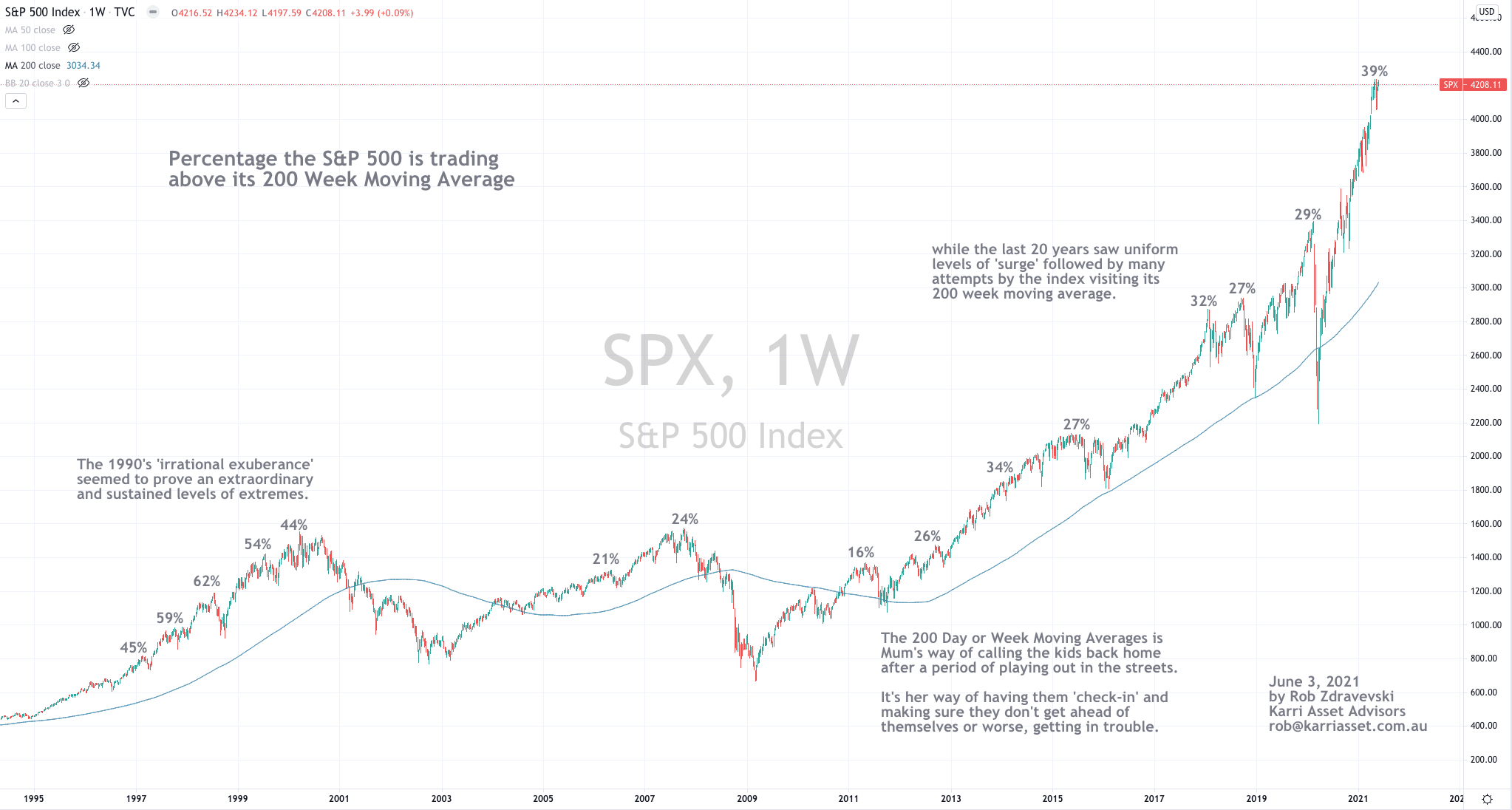
The following assets (on a weekly timeframe) registered an Overbought reading or traded more than 2.5 standard deviations above its rolling mean.
Extremes “above” the Mean (at least 2.5 standard deviations)
Coffee
Live Cattle
Orange Juice
Brazil’s Bovespa equity index
Overbought (RSI > 70)
French & Korean Government 10 year bond yields (5th consecutive week)
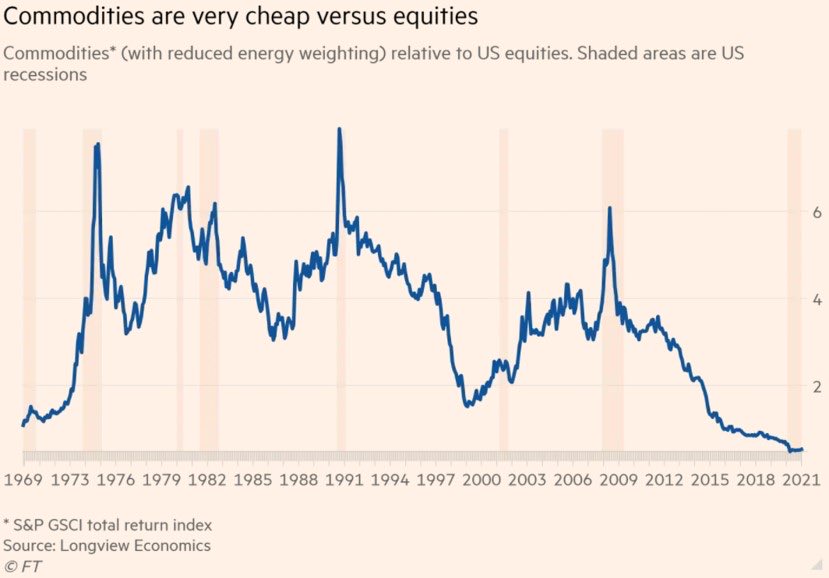
The Commodities Indices (the CRB and Bloomberg’s)
Tin (for the 6th week)
Iron Ore (for 6 consecutive weeks)
Gasoil
Heating Oil
Gasoline
WTI Crude Oil
Brent Crude Oil
Lean Hogs (for the 15th consecutive week and its highest price since July 2014)
Soybeans (a return to the list)
Canadian Dollar / USD (where the CAD is exhibiting strength against the U.S. Dollar)
the Dow Jones Industrial Index
U.S. KBW Banking Index (14th consecutive week)
France’s CAC-40 Equity Index (for the 8th consecutive week)
Germany’s DAX equity index
Italy’s MIB equity index
the Oslo, Helsinki and Stockholm equity indices (for the 2nd consecutive week)
and Australia’s ASX 200 (now at its most weekly overbought since late July 2019)
The Overbought Quinella – Both Overbought and Traded at > 2.5 standard deviations above the weekly mean)
Nil
Assets (securities) within my immediate universe which touched the other side of the extreme, being Oversold (where the RSI is < 30) or were at least 2.5 standard deviations below its mean are;
Extremes “below” the Mean (at least 2.5 standard deviations)
Chinese Government 10 Year Bond Yields (3rd consecutive week, of falling yields, indicating persistant buying of Chinese bonds)
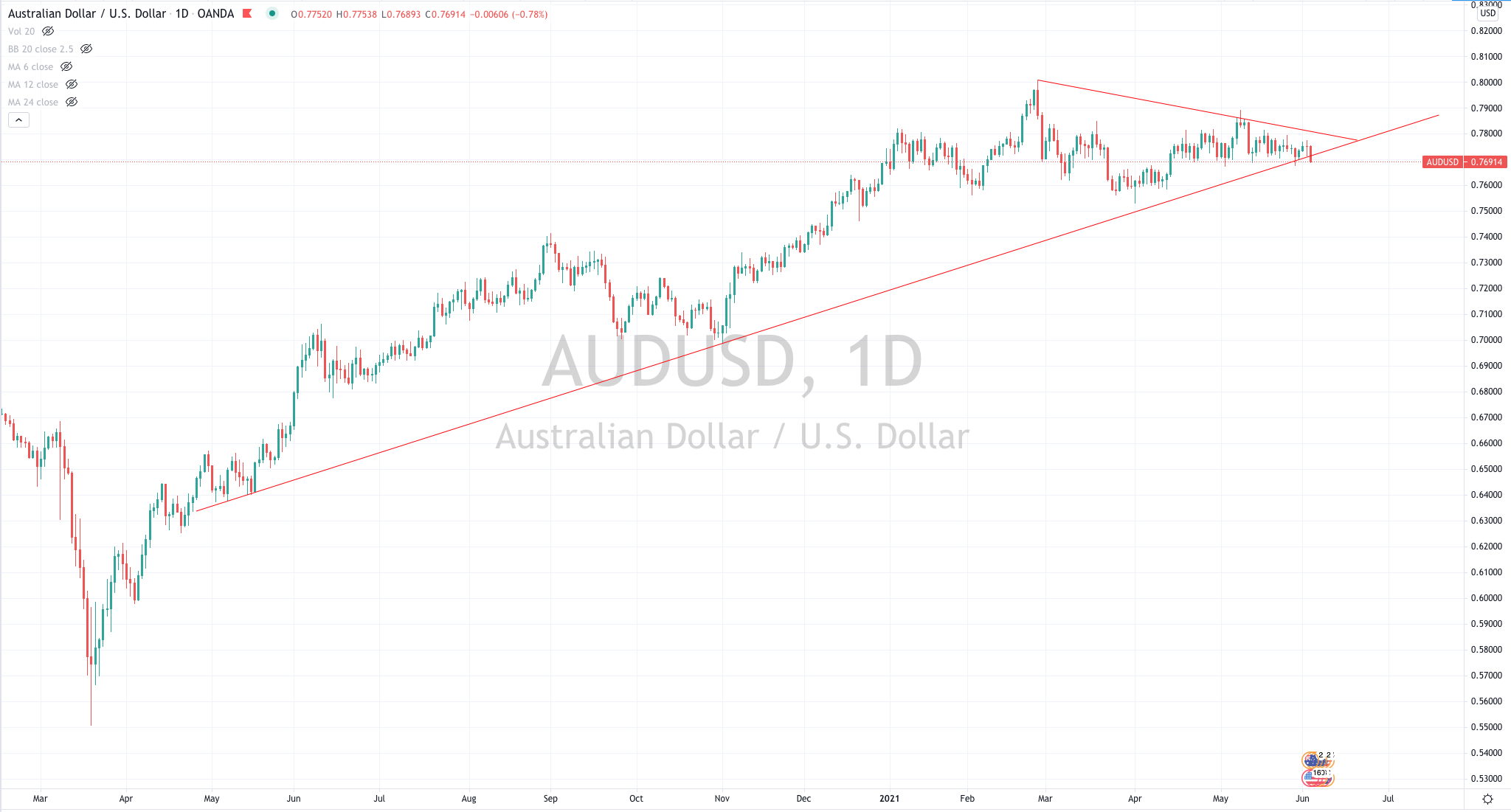
AUD / GBP (signifying a strong British Pound)
Oversold (RSI < 30)
Nil
The Oversold Quinella – Both Oversold and Traded at < 2.5 standard deviations above the weekly mean)
Nil
Notes & Ideas:
The most notable observation are various commodities amongst the energy complex have reached Overbought levels.
It remains quite in Foreign Exchange land.
In last week’s note I suggested watching a host of global equity indices which were nearing extreme Overbought readings.
Indeed, we now see more indices join this week’s list.
The British Pound is strong against many currencies and within a whisker of being Overbought across a range of them.
The U.S. 10 year bond yield it yet to break above 1.75%. Yields eased further this past week from last weeks 1.58% to close at 1.55%.
After recent visits to Overbought territory, the past weeks trading has produced several outside bearish reversal’s.
This is where a security trade to higher high (than the previous week) and then makes a lower low (than the previous week) and closes below last weeks close.
Some of assets who made that list and where I look for lower prices include;
EUR/AUD, which means I now look for the Euro to weaken. Meaning, sell your Euro and Buy AUD,
Dow Jones Transport Index (after 12 consecutive weeks being overbought),
Copper (following a 22 week overbought streak),
GBP/USD, suggesting selling British Pounds and
buying US Dollars andGold (in USD).
On the risk monitoring front, I keenly watch the HSCEI index and the Japanese Yen as traded against the AUD and USD.
A month ago, I wrote a seperate note about the rise of the Baltic Dry Index when it touched Overbought extremes. Its price has declined 25% since then.
Reiterating comments from last week’s note;
Gold as priced in USD and AUD (not in CAD) traded to 2 standard deviations (SD’s) above its weekly mean, although it’s not an ‘extreme’ as per this notes criteria of 2.5 SD’s
and we await break either way in the Russell 2000.
Even though crypto currency, Ethereum is nearly half the price it was 4 weeks, no cryptocurrencies are Oversold yet.
And lastly, Bitcoin is 181% above its 200 Week Moving Average, which is higher from last week’s 175% reading and certainly lower when compared to its 466% peak in mid-April 2021
June 6, 2021
by Rob Zdravevski
rob@karriasset.com.au
Rob Zdravevski