Getting the bigger calls right
March 20, 2022 Leave a comment
My March 19, 2022 newsletter can be read here;
https://mailchi.mp/karriasset/getting-the-bigger-calls-right
Trying to hear what's not being said
March 20, 2022 Leave a comment
My March 19, 2022 newsletter can be read here;
https://mailchi.mp/karriasset/getting-the-bigger-calls-right
March 18, 2022 Leave a comment
BP said it will ‘exit’ its 20% holding in Rosneft.
Rosneft accounts for half of BP’s proven oil and gas reserves and one-third of its production.
What is an ‘exit’?
Is it a sale or a complete write-down?
It takes time to sell a $20 billion stake in a stock that the world doesn’t want to touch.
Or does BP accept payment in lieu of the government nationalising Rosneft securities?
It’s believed that BP’s Rosneft holding is worth $25 billion, while there is talk of a write-down provision or hit equalling $14 billion.
This is all quite notable when you consider BP’s market cap is $91 billion.
Interestingly, BP’s stock is trading at the same price (368p) when this news was announced on February 27, 2022.
Perhaps the market doesn’t believe that they will ‘sell’ or ‘exit’ once ‘things smoothen over’?
Keep in mind that in August 2020, BP announced its desired shift to reduce its oil and gas production by 40% by 2030.
BP has said it will no longer report reserves, production or profit for Rosneft.
Has BP just met its 2030 production reduction in a foul swoop, 8 years before schedule?
This could turn out to be a cleverly opportunistic move by BP’s CEO, Bernard Looney and his team.
Other companies such as BHP are also trying to reach their decarbonisation targets with the selling or transfer of selected assets but under less drastic conditions.
March 18, 2022
by Rob Zdravevski
rob@karriasset.com.au
March 18, 2022 Leave a comment
The Canadians are the only category in this month’s BH Rig Count to have the same or more rigs working than as at March 2020.
Finally, the price of oil is high enough to make those tar sands
The rest of the world is yet to do get close to having the same amount of wells in operation.
The Middle East is lagging behind significantly.
Perhaps it pays better to limit production supply?
While the African’s need to play a little more catch up, I think the European’s are stifled by ESG ’embarrassment’.
Other factors may also be at work. When wells are ’shut-in’, its not always certain they can be operable again. Some wells can collapse.
March 17, 2022 Leave a comment
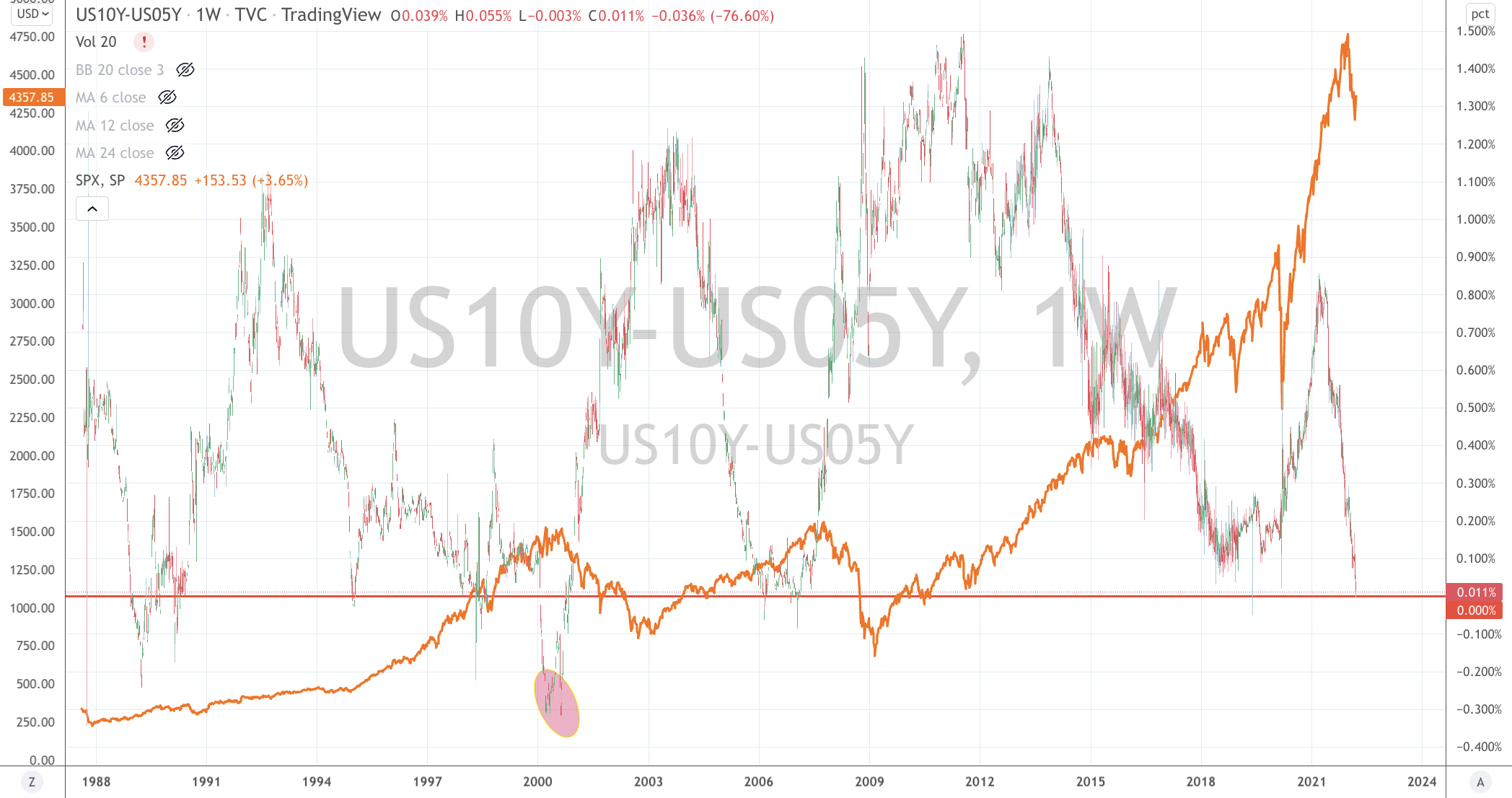
Financial media are excitedly reporting about the US10Y minus US05Y spread inverting.
Firstly, they’re grasping at straws seeking out any yield curve combination which may have inverted, albeit for a 2 hour period.
Secondly, if we gave them some credence for this one, inversions of this curve have not been an accurate timing signal of poorer returns ahead for the stockmarket.
Quite the contrary in most cases.
If ‘they’ choose to cite the 2000 period (as circled in the chart below), that also remains a long bow to draw.
It took the stock market 9 months to start turning lower after the US10-US5 curve initially inverted and to boot, it required some serious negative inverting action.
Today’s sojourn hardly counts.
I prefer to watch and rely on the US10Y minus US02Y yield curve, which featured in a note from earlier this week.
March 17, 2022
by Rob Zdravevski
rob@kariasset.com.au
March 17, 2022 Leave a comment
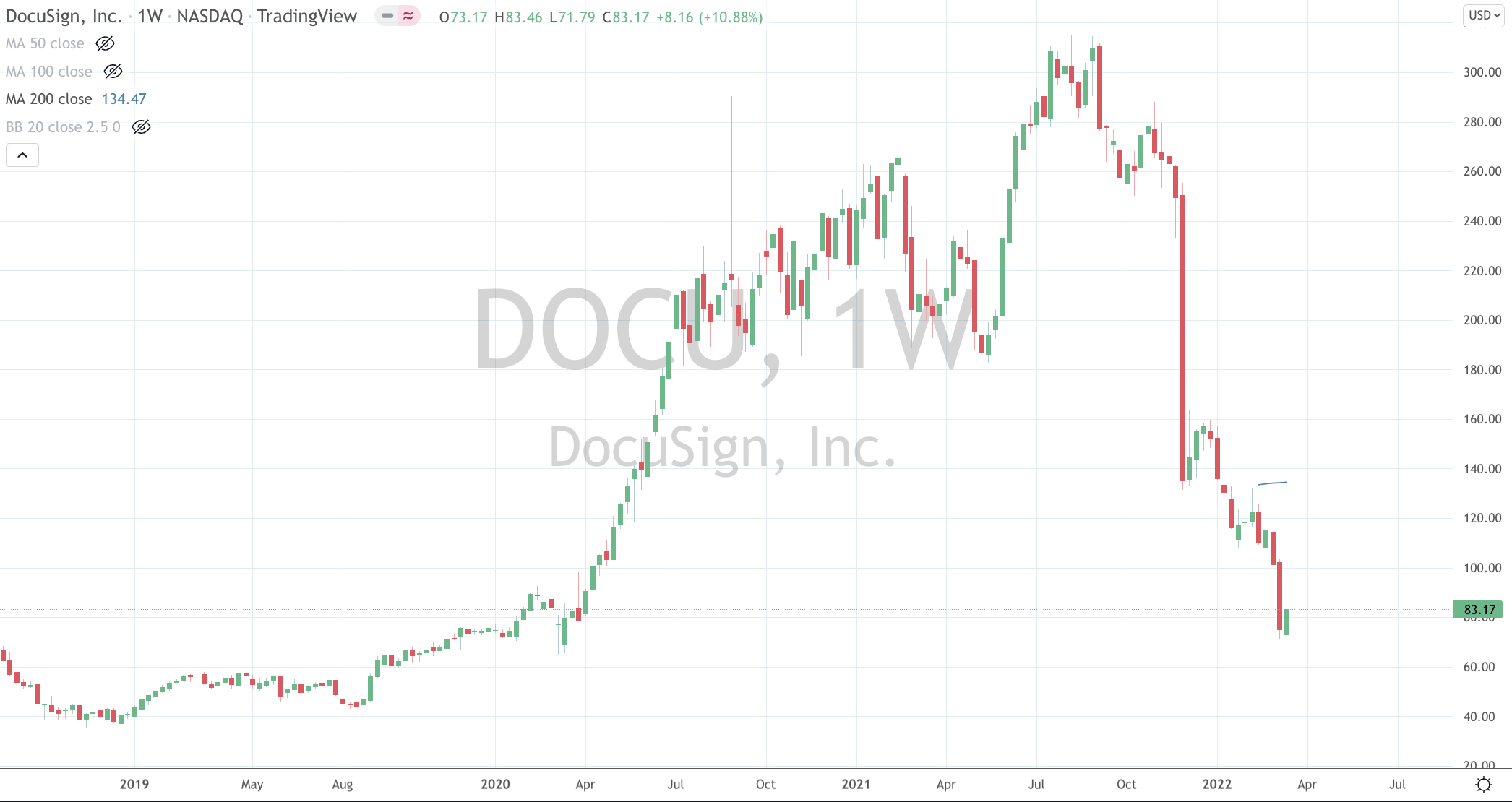
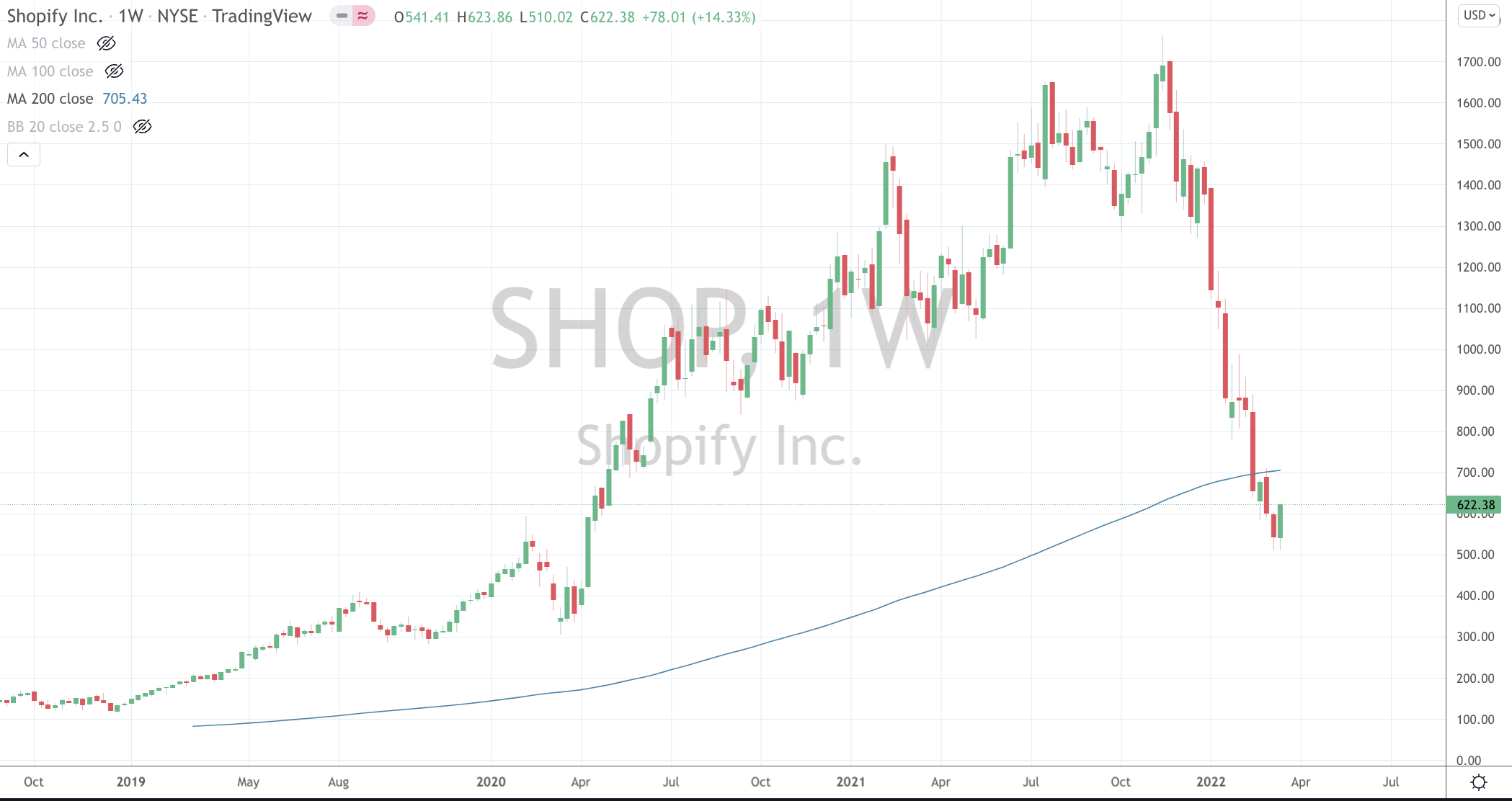
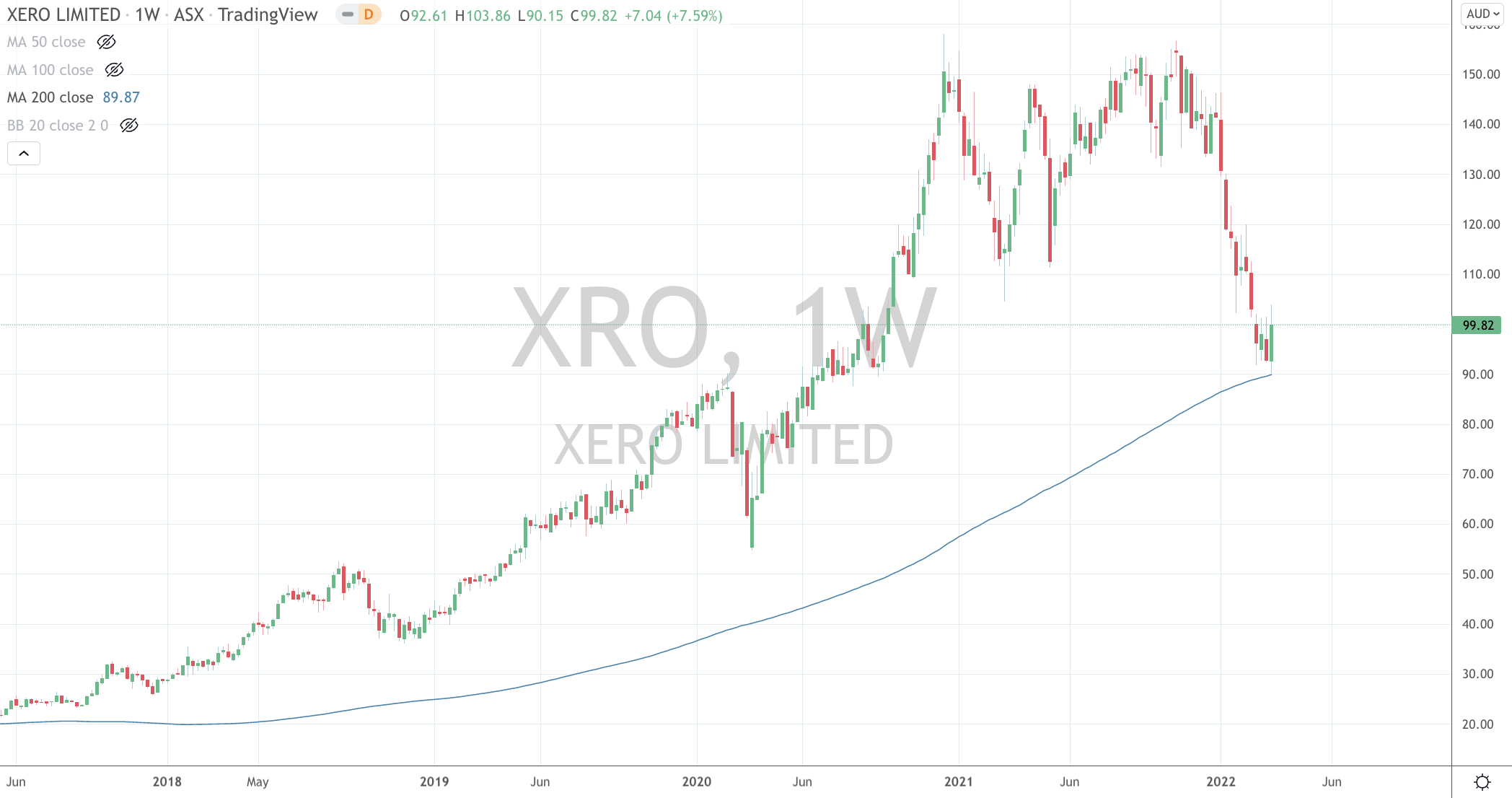
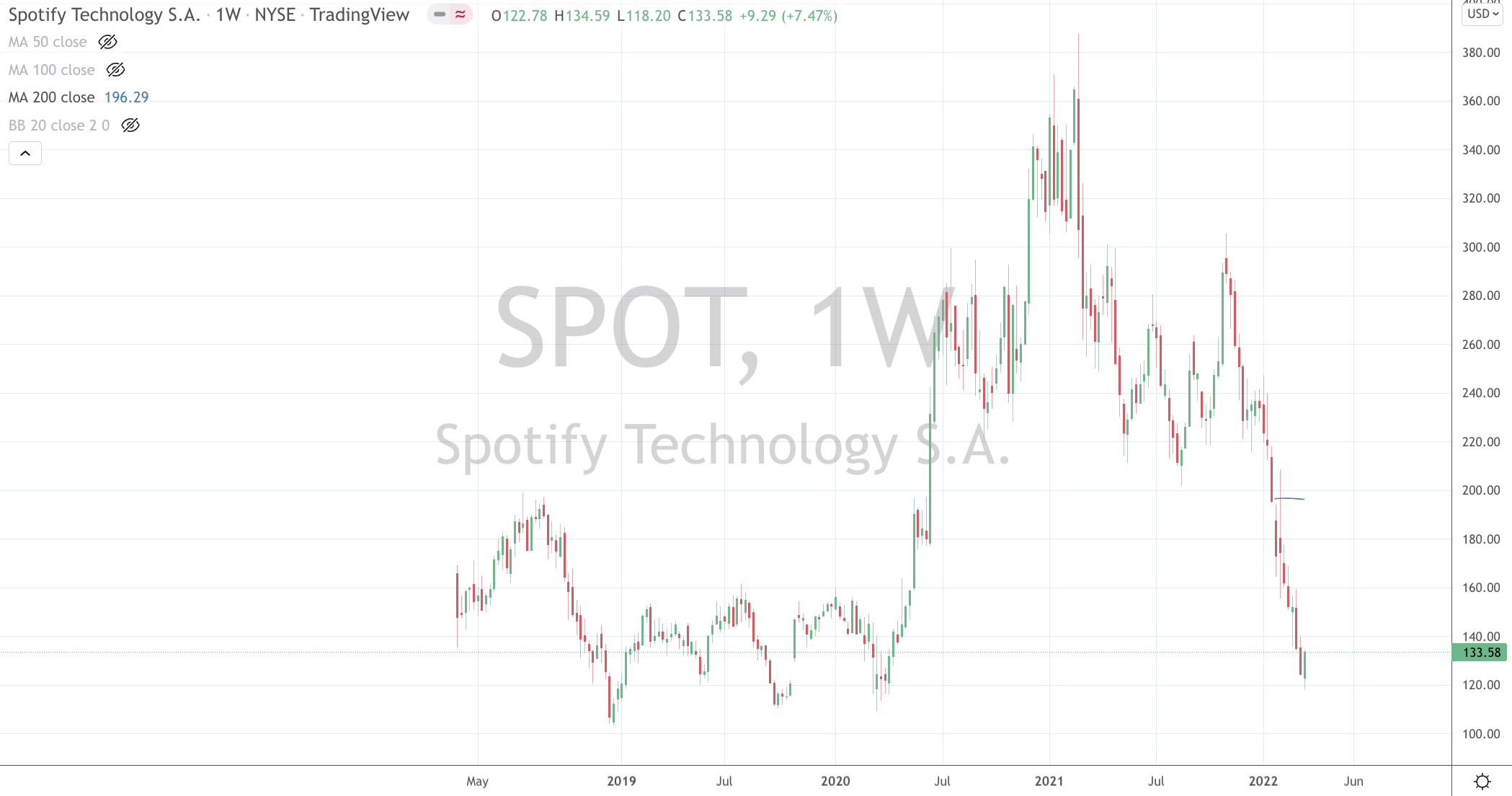
One of my ‘investing buckets’ and sectors of interest covers Cloud SaaS Software.
I think there are many stocks worthy of analysis.
My preference are the ‘giants’ with reasonable market share and ‘sticky customers’, which implies difficulty or bother should you choose to discontinue their service or product.
They may offer a free 14 or 30 day trial but not a ‘freemium’ product.
Thus Spotify, Zoom and Dropbox aren’t of interest,
while SAP, Docusign, SAP, Salesforce, Xero and Shopify are attracting my attention.
Charts below.
March 17, 2022
by Rob Zdravevski
rob@karriasset.com.au



March 17, 2022 Leave a comment
Just in case you thought that Russian Gas (or oil for that matter) wasn’t flowing or stopped being sold, see the article link below.
Isn’t it interesting who the willing buyers still are?
Natural resources and their prices find their own levels.
Commerciality does prevail, it’s the price which differs under particular circumstances.
Today, I hear that Russian oil is being sold at $30 below spot price.
For example, while the United States doesn’t buy any oil from Venezuela 🇻🇪 (who has nearly 20% of the world’s proven reserves), Venezuela does in fact sell Oil to many Asian nations including India, who buys approx. 120,000 barrels per day of Venezuela’s 500,000 daily exports.
China, India, South Korea and Japan buy plenty of Iran’s 2.3 million barrel daily export. It just may not be at the current $96 market price.
March 17, 2022
by Rob Zdravevski
rob@karriasset.com.au
March 17, 2022 Leave a comment
It pays and saves to observe where the noise is coming from.
Furthermore, it’s wise to identify where the most crowded trades are.
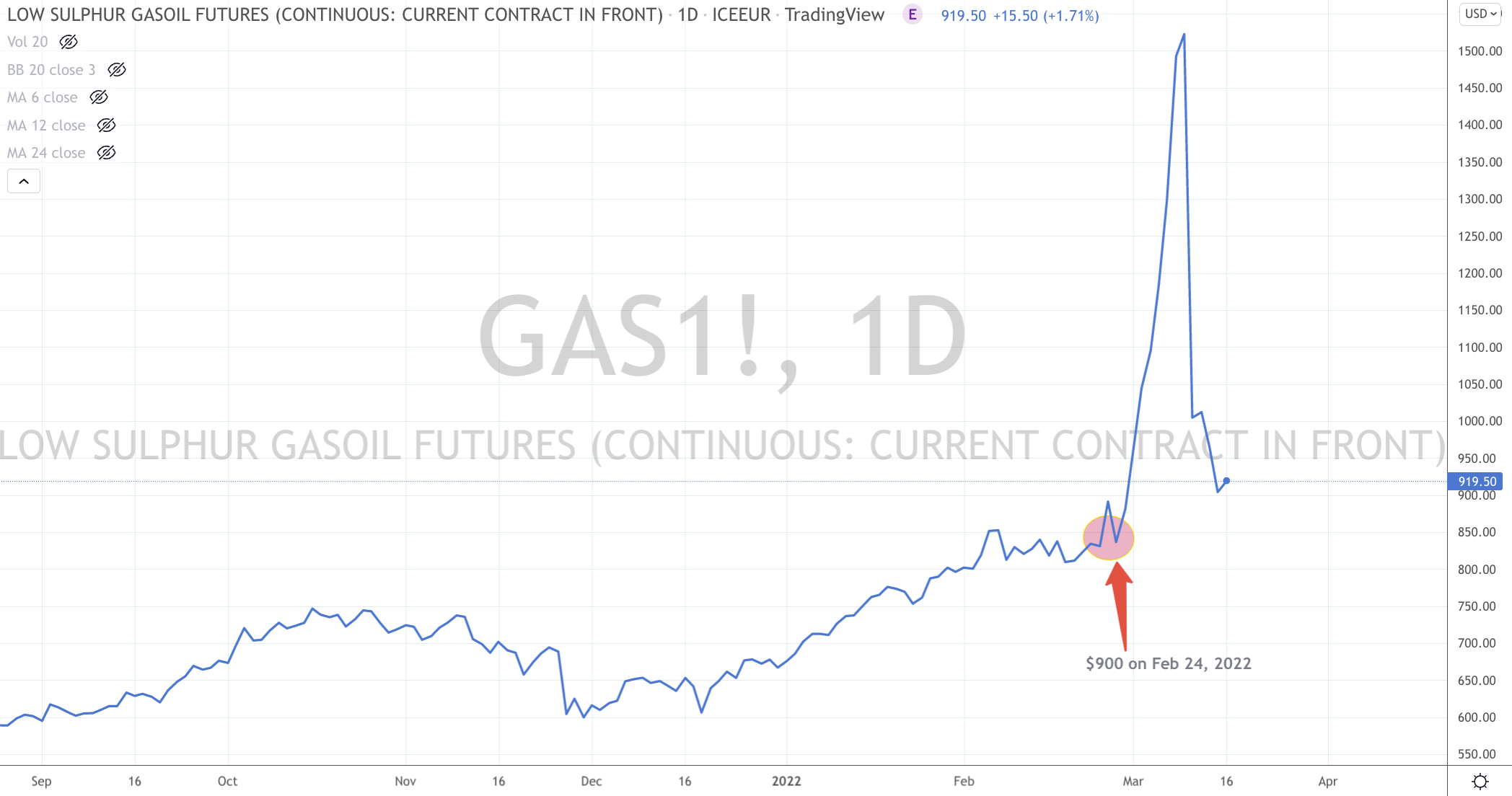
In the past weeks, the froth which appeared in the financial media included;
Oil rising from $94 to $130. It’s now $96, which is the same price when Russia invaded Ukraine.
Gasoil (diesel) futures contract rose from $900 (on February 24, 2022) to $1,665 and its now back to $900.
Wheat went from $8.40 to $13.60 to now trade at $10.50.
The price of Rotterdam delivered coal went from $193 to $460 only to fall back to $312.
Since February 14th, the Hang Seng market fell 27%. It’s now 15% higher than this week’s lowest point.
It goes on and on.
A lot of money has been made and lost on these moves, both and up and down. For those of the correct and wrong side of the trade. Some were Long and others were Short.
Now that Oil has fallen 30%, I don’t hear the media fervour in the same manner as when it was rising.
Apparently when Oil was at $120, it was going to $200.
A couple years ago, when Gold last touched the $2,000 market it was on a one way path to $4,000
Remember when Bitcoin was $60,000, “the noise” was gearing us up for $250,000 or $500,000.
Reiterating that journalists (and the pundits) are merely reporting the news which has already occurred, it’s important to remind yourself that they aren’t market participants.
Canny investors and traders position themselves before the news is reported.
Today, I see the Hang Seng market up 16% in only 2 days. Over the same time, the Nasdaq has risen 6.8% and the S&P 500 has advanced 4.3%
Stocks such as Alibaba and Shopify have climbed 34% and 17% respectively in the past 2 days.
On other note, this doesn’t necessarily make me happy because it just shouldn’t be doing this.
You shouldn’t crank out 1 year of gain from an index in only 2 days.
Be careful, everywhere.
Do your own thinking and ignore or filter the noise.
Markets go to where they can do the most damage.
That can mean up or down. It can hurt you if you are short or long at the wrong time or price.
It can hurt you when they go up, if you aren’t invested and then decide to chase the train which has left the station.
It can hurt you when you sell your stock at its lowest point because the pain is too much to bear and your investing horizon suddenly changes from years to days.
Be careful when chasing rainbows or jumping at shadows.
March 17, 2022
by Rob Zdravevski
rob@karriasset.com.au
March 15, 2022 Leave a comment
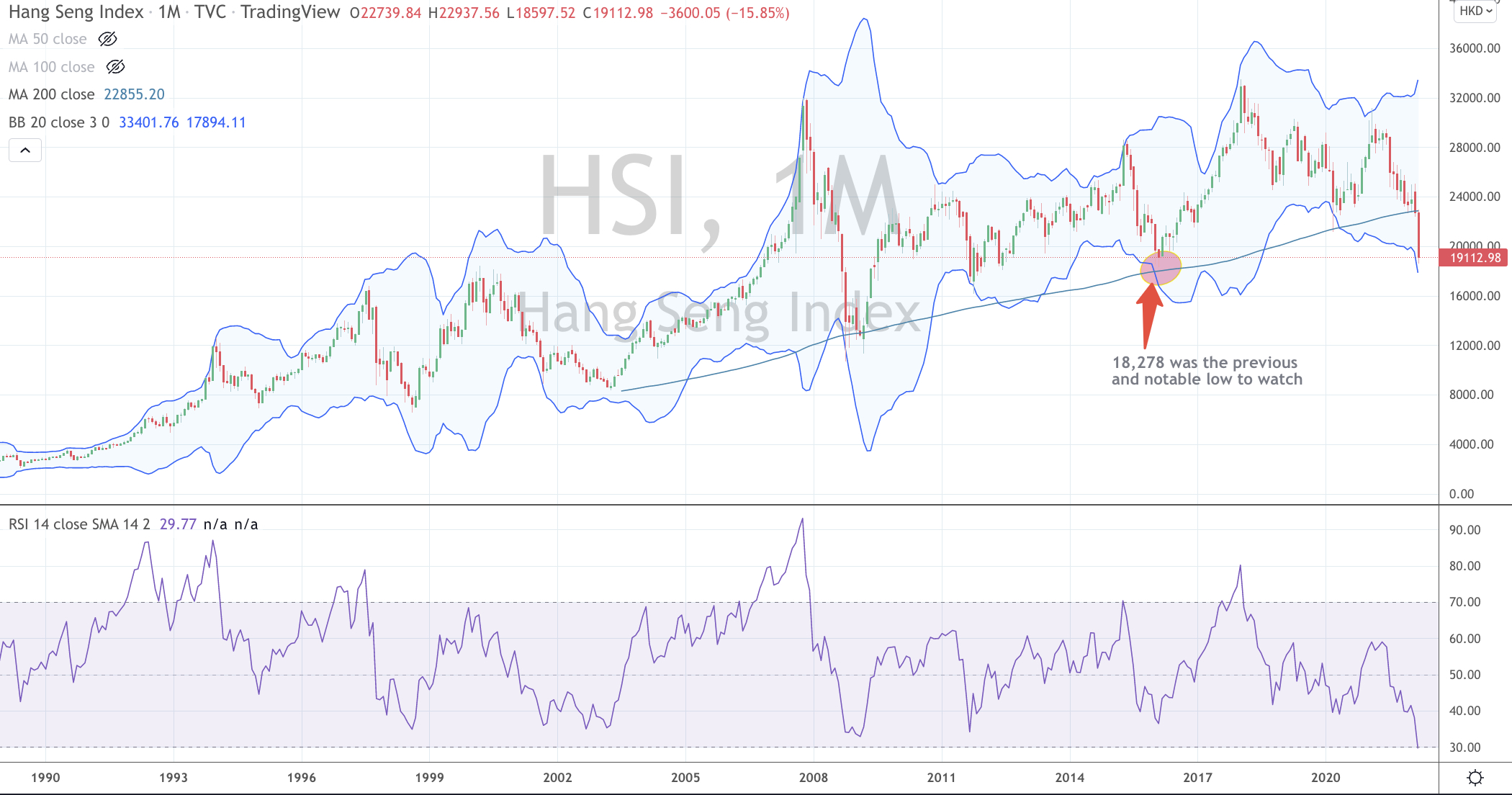
Today, the Hang Seng Index is trading at 19,113 points.
The chart below is on a Monthly basis, not my normal weekly series.
Yes, the index has previously traded to 3 standard deviation below its monthly mean.
and Yes, it has previously touched its 200 Month Moving Average.
But it has never traded this much percentage below its 200 Moving Moving Average.
More importantly, the Hang Seng has never made an Oversold reading on a Monthly basis.
I’ll watch if it holds the 18,278 low seen in February 2016.
Will the Hang Seng Index continue to exist?
Will the Stock Exchange of Hong Kong (SEHK) continue to list the securities of various companies?
If so…..this may be the only piece of analysis required.
March 15, 2022
by Rob Zdravevski
rob@karriasset.com.au
March 15, 2022 Leave a comment
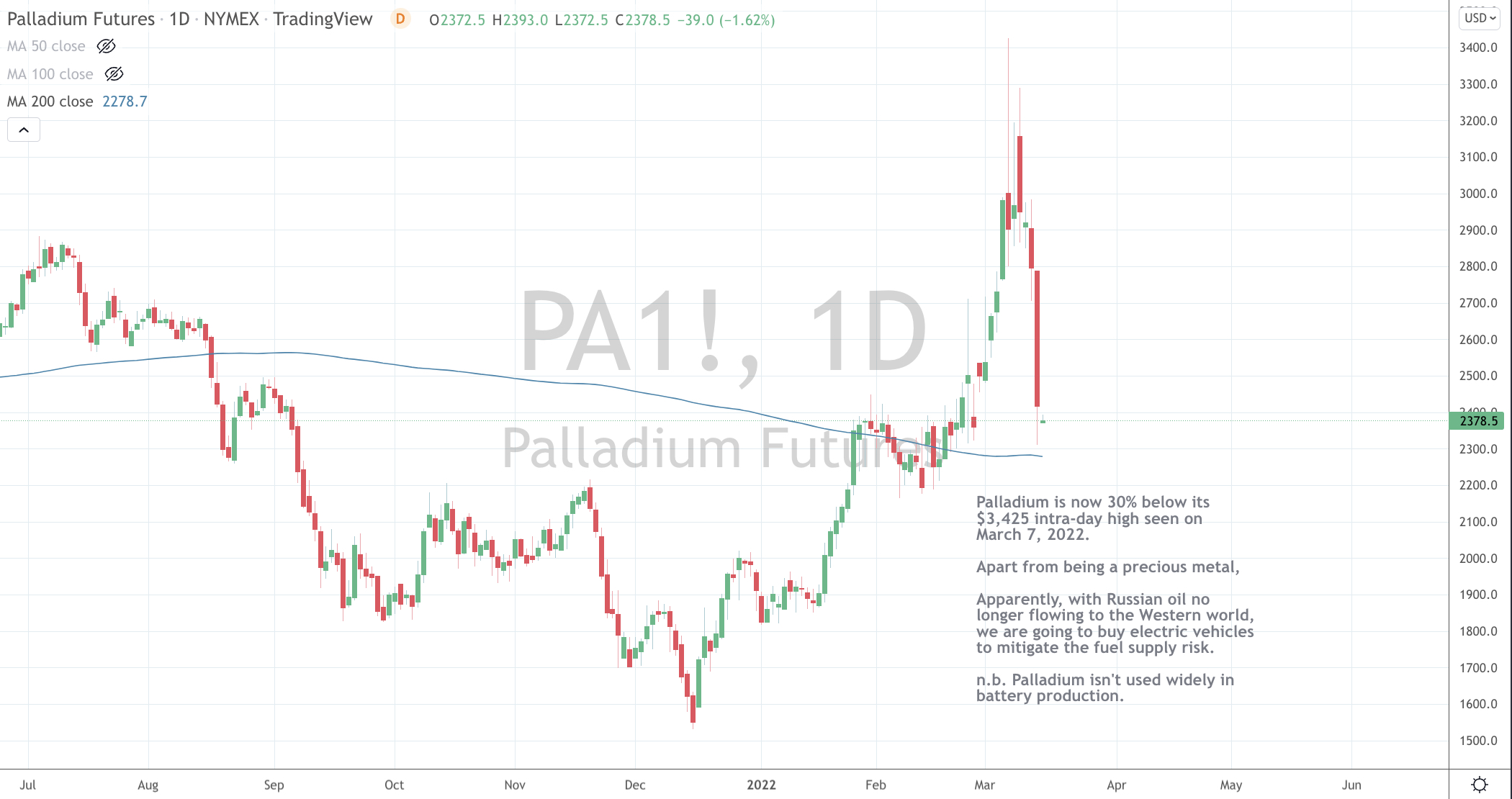
Here is a little story of Palladium’s recent price action.
Platinum will be more interesting to buy around the $900 mark.
March 15, 2022
by Rob Zdravevski
rob@karriasset.com.au
March 14, 2022 2 Comments
First, you must pick a currency.
It is the first thing you must do; when conducting business, settling a transaction or making an investment.
Even if you are buying oranges from the greengrocer, unless you are trading them for apples.
It’s time for some tactical tweaks and tilts in the Currency market.
The evident move has been the strengthening of the U.S. Dollar.
I’m a Seller of some USD and preparing to…..
Buy some Euro near the 1.08 level,
Buy some GBP at 1.2850,
Buy JPY (now) around the 117.50 mark,
Buy some HKD (if you have business to conduct there)
The Korean Won is back to the same weakness (against the USD) seen in March 2020, which mimics the same level as February 2016 and July 2010.
That is certainly making South Korea competitive again which is good for their electronics, heavy machinery and automobile industries.
I’ll be interested buying their equities when the KOSPI Index touches 2,460, which is a further 7% below today’s closing price.
And finally, the Danish Krone (DKKUSD 6.80) and Swedish Krona (SEKUSD 9.60) are also exhibiting notable weakness, attractive to Buy, should you specific commercial requirements to do so.
March 14, 2022
by Rob Zdravevski
rob@karriasset.com.au
 rob zdravevski's blog