Explaining the Federal Reserve’s actions

As extracted from Seth Klarman’s 2nd quarter 2020 investor letter;
“Fed policy has been magnificently successful in achieving its objectives not only of lifting securities prices but also of altering investor behaviour. The Fed wanted to influence buyers of securities to be bolder in their pursuit of return. The head of a major pension fund recently authored a piece describing how the fund had responded to lofty markets and low yields on safe debt instruments. Their reaction was not to lower the fund’s currently aggressive 7% risk-adjusted return objective to a more realistic threshold, but instead to direct more assets into “lower volatility” private investments while leveraging the portfolio. Private investments, of course, have the same underlying risk and inherent volatility as public investments – though because they are not publicly traded, their intermittent and privately determined appraisals may make them appear to be less volatile. And as for the choice to leverage up, we can only note that leverage is a double-edged sword that enhances returns in good times while sinking them in down markets. If markets falter, this fund will have not solved its problems but rather have multiplied them.
Central banks, led by the Fed, continue to be the predominant driver of financial markets. By holding down interest rates, they influence investors to bid up the prices of securities, irrespective of the economic backdrop. By maintaining these seemingly never-ending policies and wilfully ignoring developing bubbles, the Fed has engineered a strong market recovery even as the unemployment rate tests Great Depression levels. The Fed balance sheet grows larger and larger, and the annual U.S. budget deficit approaches a level triple its previous ignominious record high. Investors are being infantilised by the relentless Federal Reserve activity. It’s as if the Fed considers them foolish children, unable to rationally set the prices of securities so it must intervene. When the market has a tantrum, the benevolent Fed has a soothing yet enabling response. As with the 30-year-olds still living in their parents’ basements, we can only wonder whether the markets will ever be expected to make it on their own.”

How will Sydney Airport pay its bond interest

If airlines aren’t flying and Qantas (QAN.AX) announces extended grounding of its fleet, you cant be surprised that the stock price of debt laden Sydney Airport (SYD.AX) is falling.

In fact, I’d be a nervous debt holder.

How will SYD.AX service the interest coupons ?

Don’t worry, they’ll borrow more AGAIN to pay the interest (which it recently did in mid-April 2020 – see quote below) and the government will always stand to save such an important, strategic and unique asset.

Actually, come to think of it, it’s the equity holders which should be nervous as they rank below the holders of debt.

“Sydney Airport’s $850 million in new two- and three-year bank debt brings its liquidity to $2.8 billion which it said would “comfortably” cover the $1.3 billion in loan repayments it has to make in the next 12 months and up to $200 million of expected capital expenditure”

– quote source, Sydney Morning Herald, April 20, 2020

June 29, 2020
by Rob Zdravevski

rob@karriasset.com.au
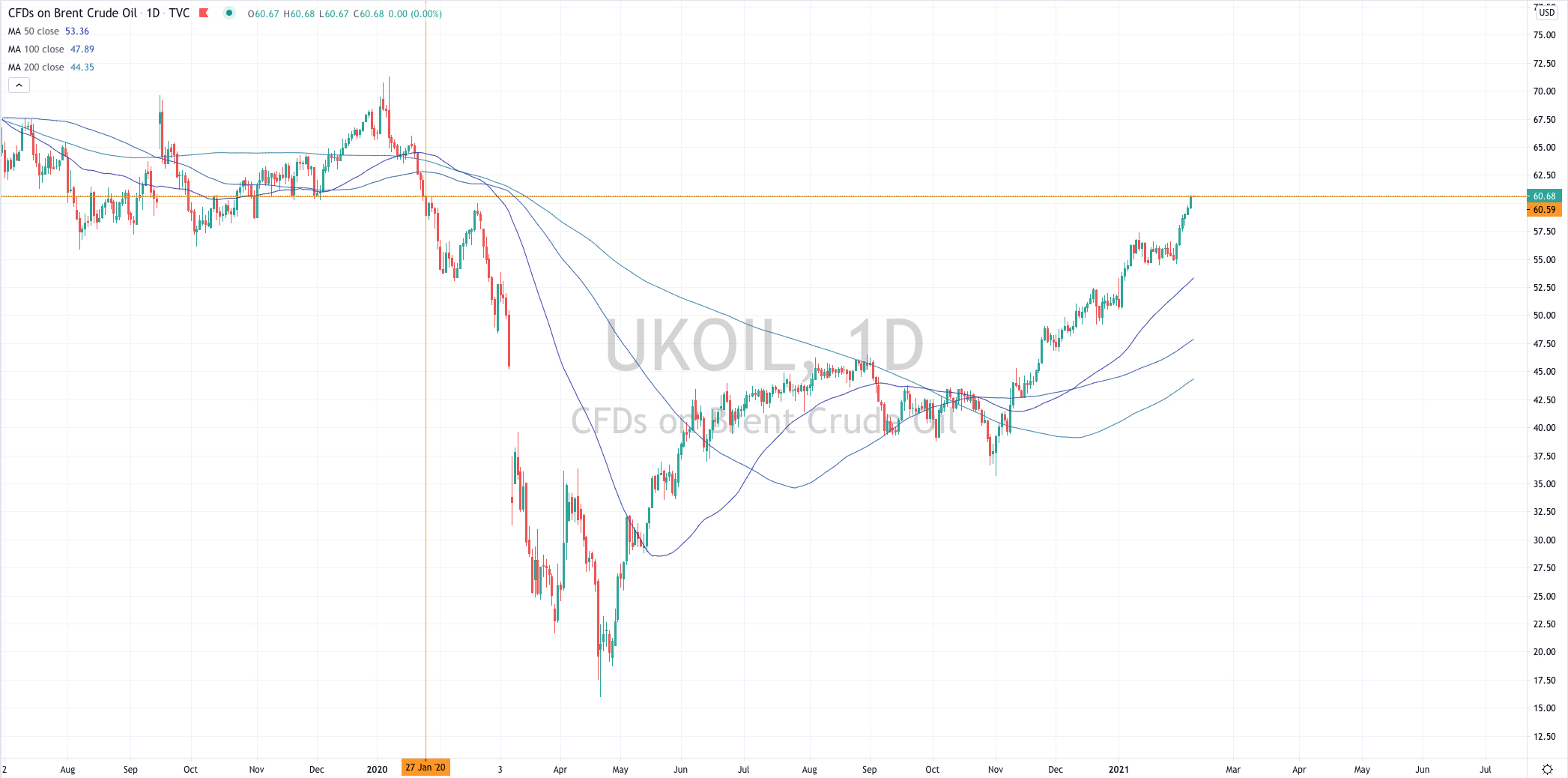
Owning Scarcity

The De-equitisation theme is still intact.

In the 2000’s, there were approx. 8,000 listed companies on U.S. exchanges.

Now, that number is about 4,000.

More and more capital being deployed into fewer and fewer available listed equities.

August 15, 2020
by Rob Zdravevski
rob@karriasset.com.au
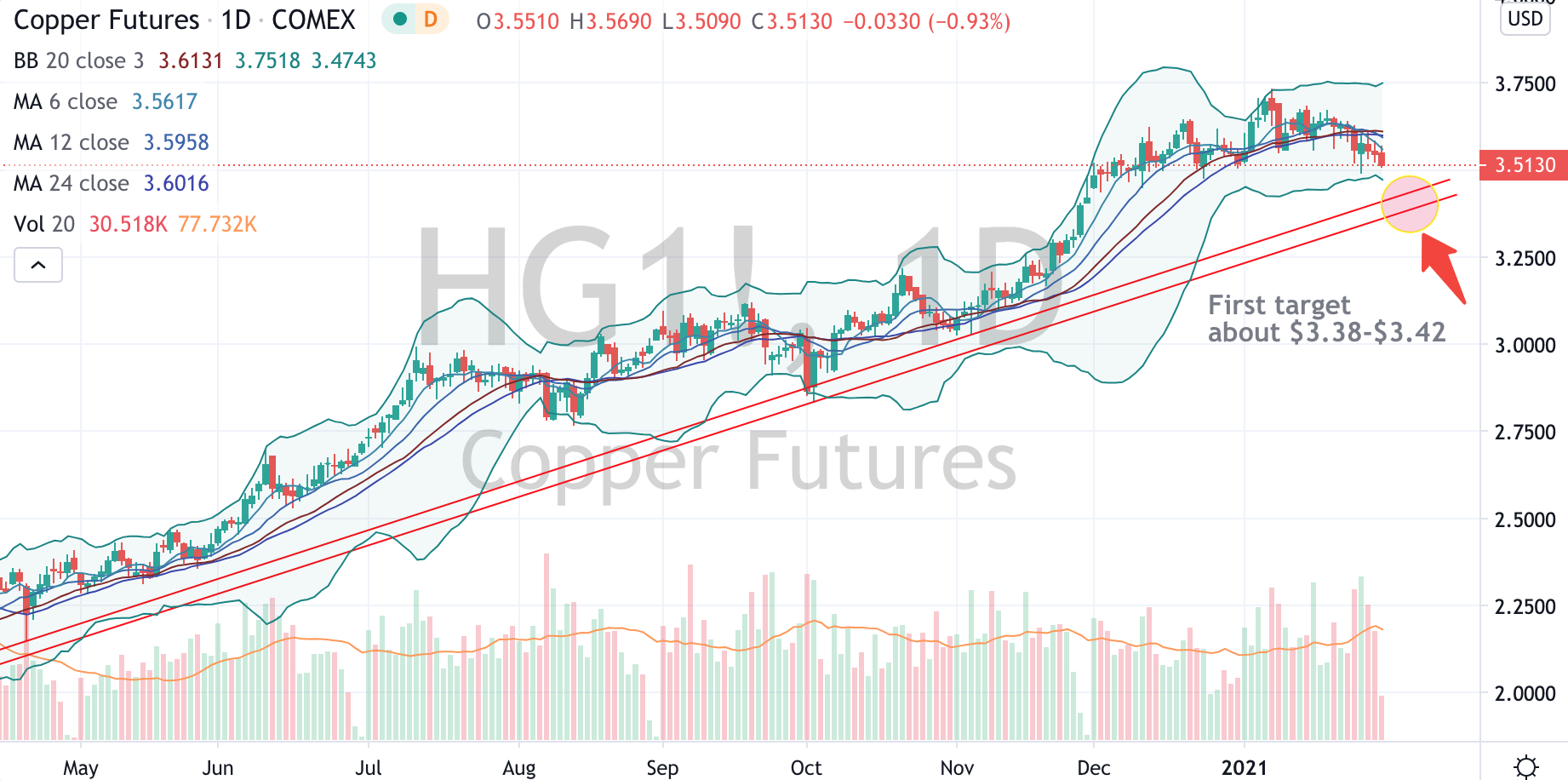
?? Telstra ??

Telstra has generally been a terrible equity investment over the past 20 years and yet an article such as this still tries to laude the stock as being an attractive “yield play”.

https://lnkd.in/g8BHr3X

It doesn’t matter if you receive a 5% dividend and the stock loses 50% of its capital.

Australian retail equity investors still pine for dividends at any cost AND the cost happens to result in losing capital.

More on the concept of “total return” in an upcoming post.

Following today’s earnings result, Telstra’s stock plummeted 8.2%.

This is 2 years worth of dividends, gone, in a single day of trading.

As a respected peer once told me, “Telstra is a stock that will keep paying a dividend, until it can’t anymore”.

August 13, 2020
by Rob Zdravevski
rob@karriasset.com.au
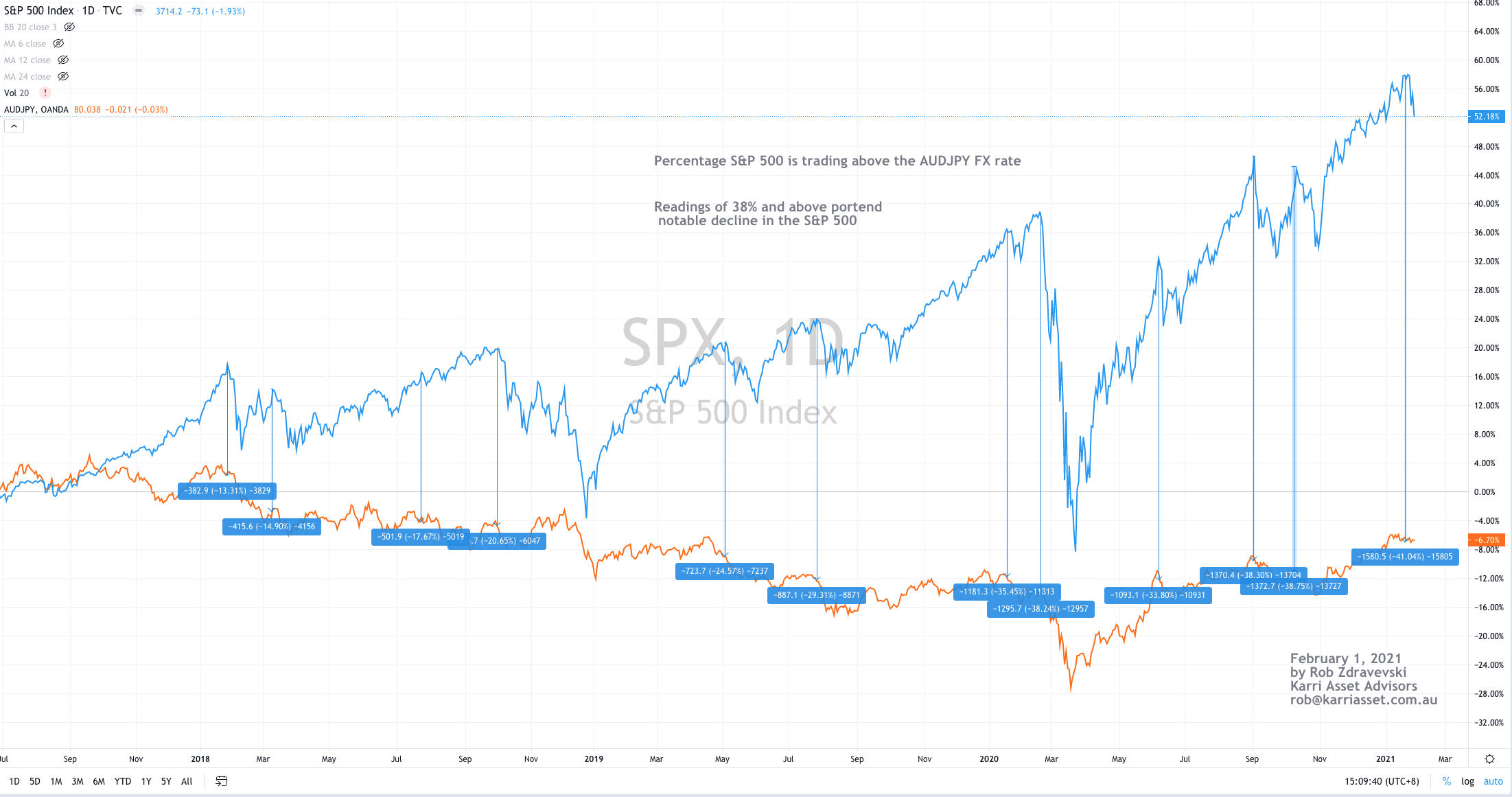
Not feeling “golden” this week

This is not a celebratory post but intended to highlight the practice of observing prices and moods when they reach an extreme.

There are times when experience tells you that things are stretched, feeling “dangerous” or perhaps resembling mania, frenzy or euphoria.
(see my recent posts warning of such)

I still wonder what makes people chase assets at “stretched” prices.

Are they trying to “eek” out the last 10% of a move?

Are they oblivious that the “fat part” of the trade has been seen and had?

Do they understand what their risk/reward ratio looks like?

Today’s example is the price action in Gold.

Yesterday (overnight) Gold fells $130 per ounce of ~ 6.3%. It’s trading at $1,915 as I write this. Incidentally, Silver plummeted 17%.

It’s difficult (impossible, even) to pinpoint the timing of such a move, but it should be easier to understand when not to chase something at perpetually higher prices without having a sound reasoning for doing so.

Today, prices of Aussie gold companies are 7% lower and the poor sod who bought Saracen Minerals (SAR:ASX) 2 weeks ago at $6.75 is wearing 20% worth of pain.

Furthermore, these stocks are now trading at the same prices seen 6 weeks ago.

Wasn’t gold hitting new highs only 4 days ago?

August 12, 2020
by Rob Zdravevski
rob@karriasset.com.au
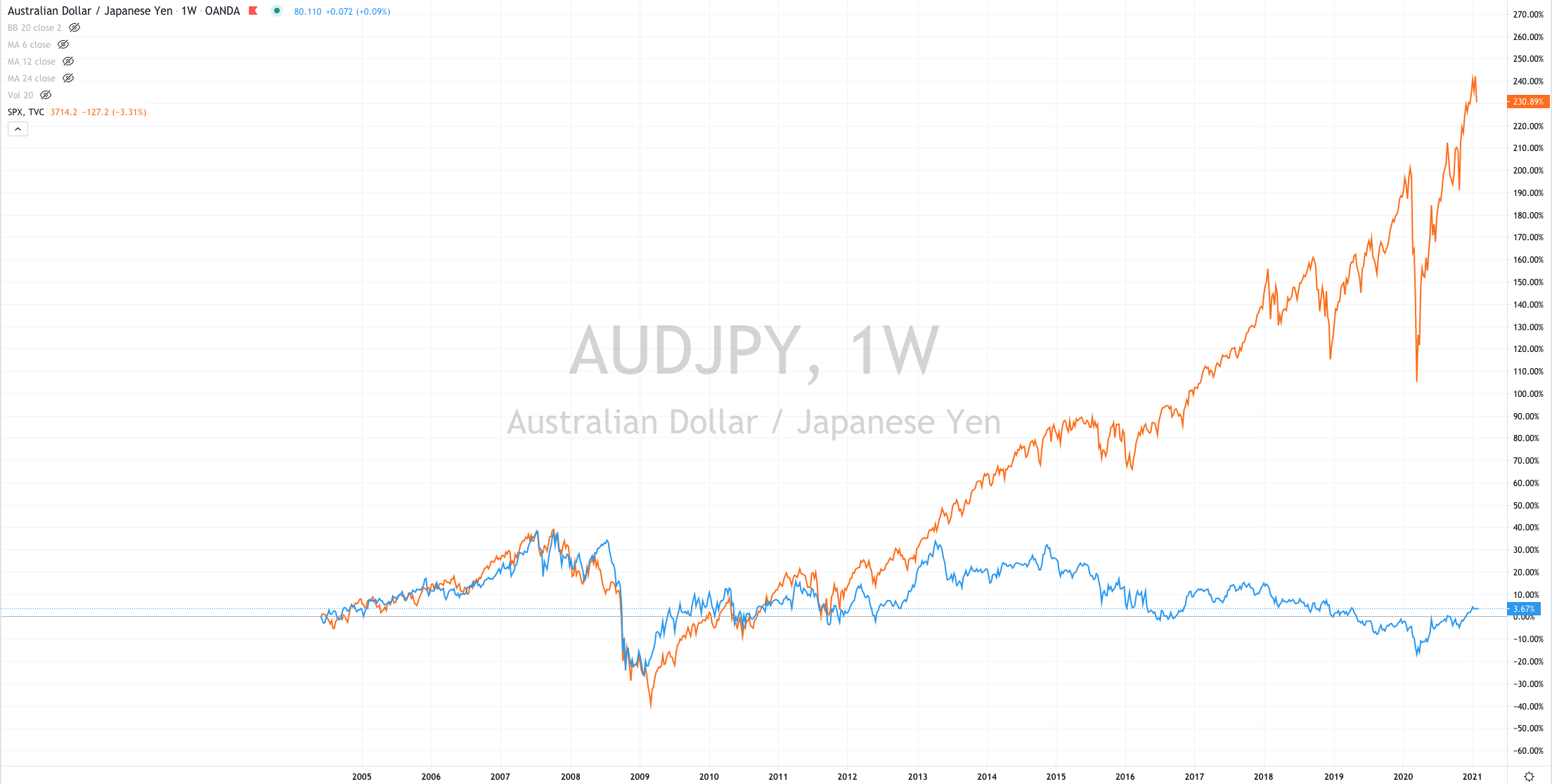
How did Sydney Airport shareholders not see this coming?

Well, I got that wrong !
Only 6 weeks after I wrote this post, Sydney Airport didn’t choose to raise more debt to pay its interest coupon…..

even worse, it’s raising $2 billion in equity.

Debt is typically cheaper than equity in this current environment, but this tells me that Sydney Airport’s debt financing has dried up.

Worryingly,  with its growing debt burden, evaporated revenues and worsening equity valuations, the importance of this strategic asset will mean that government support will provide a perennial floor in the share price.

oh dear !

by Rob Zdravevski
11 August 2020


Current Extremes I See In Markets

Overbought:

Gold ($2,042)
Silver ($27.10)
Natural Gas ($2.22)
Coffee ($1.2155)
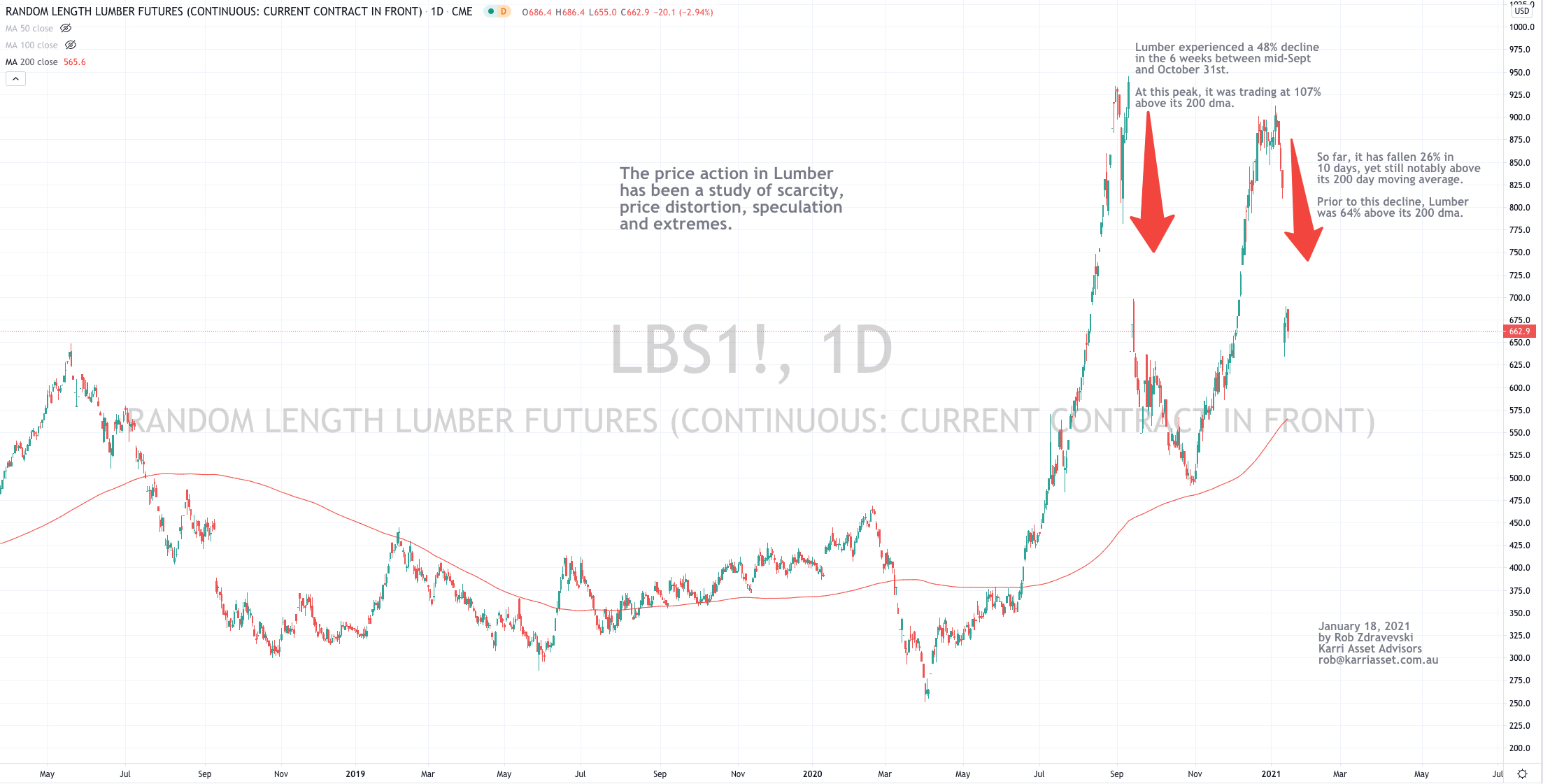
Lumber ($622)
Cocoa ($24.81)
the EUR versus the USD (1.1973)
the GBP vs. USD (1.3129)
the Swedish & Danish Krona vs. USD (8.6567 & 6.2743)
* expect higher prices at Ikea and expensive Lurpak butter
Chinese RMB versus the USD (6.94)
* Chinese imports become more expensive
crypto currencies, Ripple (XRP, 0.29880)

Oversold:

the Turkish Lira versus USD (0.1415)
Italian 10 year bonds (0.97%)

Nearly oversold and a Buy is Corn.
Currently at 311. Buy range is 301-307.

In trending news, Soybeans ($8.74) & Lean Hogs ($49.30) look like heading lower.

And Copper ($2.91) is at an early stage of a lower leg.

Incidentally, the AUD was overbought last week

The Nasdaq and S&P 500 are NOT at overbought extremes. There is still upward life in them.

6 August 2020
by Rob Zdravevski
rob@karriasset.com.au
The Fed won’t allow natural price discovery

Manias, exuberance, despair and panic always appear through a cycle. It’s nothing new or “unprecedented”. All that happens is the the subject of love or disgust changes.

Even the increase of money supply isn’t an overly new practice, but what is……is best summarised in the extract below from Seth Klarman’s Q2 2020 newsletter;

“Central banks, led by the Fed, continue to be the predominant driver of financial markets. By holding down interest rates, they influence investors to bid up the prices of securities, irrespective of the economic backdrop. By maintaining these seemingly never-ending policies and wilfully ignoring developing bubbles, the Fed has engineered a strong market recovery even as the unemployment rate tests Great Depression levels……..Investors are being infantilised by the relentless Federal Reserve activity. It’s as if the Fed considers them foolish children, unable to rationally set the prices of securities so it must intervene.

When the market has a tantrum, the benevolent Fed has a soothing yet enabling response.

As with the 30-year-olds still living in their parents’ basements, we can only wonder whether the markets will ever be expected to make it on their own.”

The Deep U.S. Corporate Debt Markets

Seen in today’s Financial Times.

“Google’s parent company Alphabet locked in some of the lowest borrowing costs ever for a US company on Monday, in a $10bn bond sale……

The company sold bonds across six maturities ranging from five to 40 years……The double A-plus rated company’s $2.25bn 10-year bond sold with a coupon of just 1.1 per cent.

Alphabet’s new five-, seven- and 30-year bonds also set record low coupons. The five-year bond priced at 0.45 per cent”

This is what is called Earnings Accretive. It also tells me that management and their board have higher hopes for the value of GOOGL’s stock price.

It’s a symbol of good corporate finance and a robust debt market.

Inversely, Australian companies overwhelmingly issue new stock when raising money.

And so, my questions include;

Why sell equity when debt is so cheap?

Why dilute your shareholders?

Being prepared is half of it

It has been at least 8 weeks since buying any Australian equities……until this week.

Some targeted stocks have come down to prices I’ve been waiting for.

A few more are getting close.

A bit excited.

August 5, 202
rob@karriasset.com.au