
Major Australian banks have again raised billions of dollars by issuing debt.
In some instances, the issuer of the debt isn’t the parent company and in cases where it is, investors should wonder why do the most creditworthy banks in the world need to offer 300 basis points (or greater) above their benchmark rate, in order to attract investors?
Perhaps it’s because the debt is perpetual, its pays non-cumulative distributions, its unsecured and subordinated
Other questions to ask include; what is the credit rating of the debt, is if the credit rating of the debt is different to the issuer, when does the debt mature, can it be “called” or “converted”, are distributions franked, am I being paid fairly or enough for the risk I am taking or perhaps simply, does this investment benefit you or are the odds stacked towards the “house”.
I also question whether I should buy it at “par” rather than a discount.
Sadly, many Australian retail investors don’t possess the required skill and knowledge to analyse debt investments.
In turn, they often aren’t receiving objective advice,. Instead, they are often being “sold” the investment rather than being advised whether it’s appropriate for their portfolio.
There has been plenty of debt on offer, so I ask myself, why should I buy something that has ample supply?
The genius behind the banks decision is to raise capital when they don’t particularly need it and they do so when their costs (or the rates they offer) are cheap.
Australian interest rates are now at record lows with the current Reserve Bank rate sitting at 2.5%.
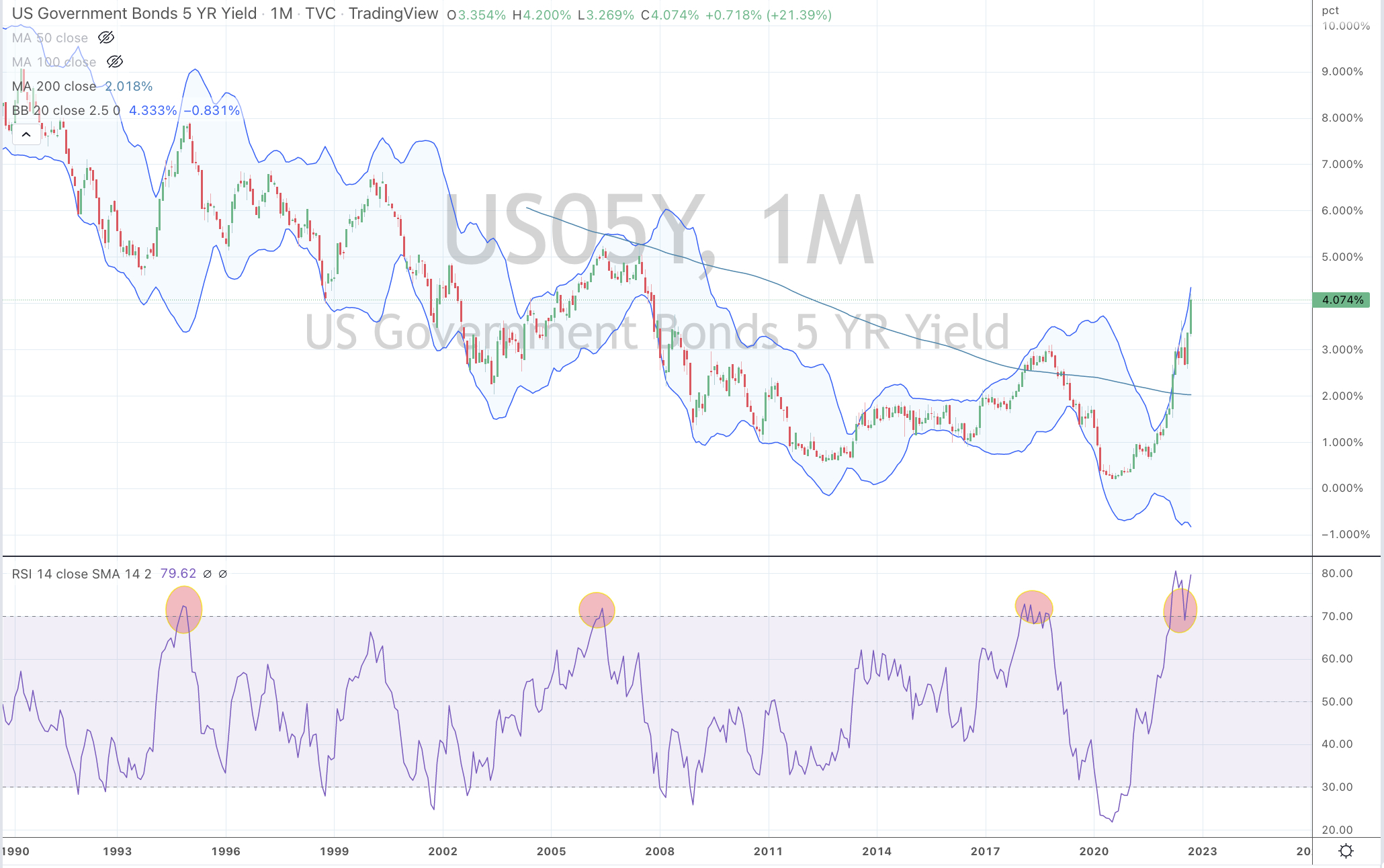
With the pendulum at an extreme, there is greater probability that interest rates triple in the next 10 years before they move to 1%.
Are these investors buying something at the wrong end of the cycle?


 rob zdravevski's blog